How to Properly Recycle Pots and Pans in Your Community
Recycling cookware may not be the first thing that comes to mind when considering household sustainability. Yet, knowing how to responsibly dispose of old pots and pans is essential for minimizing waste and ensuring that valuable materials are reused. Whether you're upgrading your kitchen or simply parting ways with well-loved cookware, this comprehensive guide will help you properly recycle pots and pans in your community.
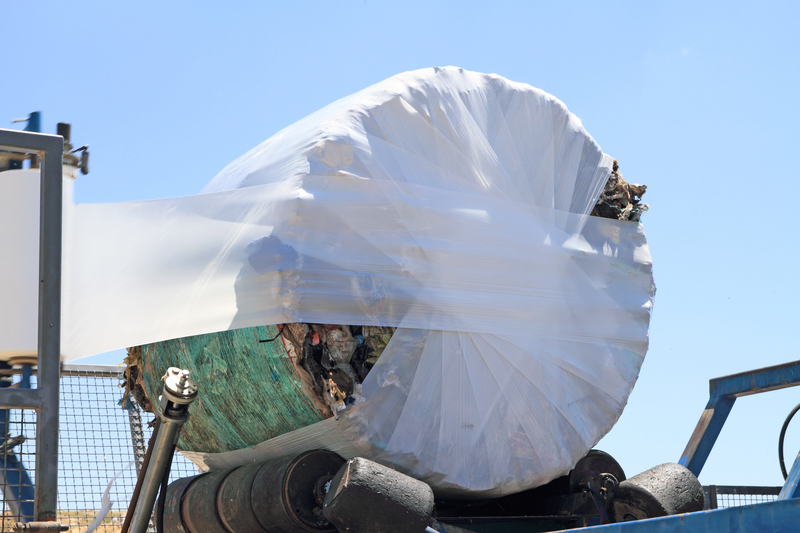
Why Should You Recycle Old Pots and Pans?
Pots and pans recycling is crucial from both an environmental and economic standpoint. Most cookware is made from metals such as aluminum, stainless steel, or cast iron. These materials are valuable, energy-intensive to extract, and can be reused multiple times without degrading in quality. When cookware ends up in landfills, these resources are lost, and the eco-footprint grows. Recycling ensures that:
- Raw materials are conserved, reducing the need for mining and smelting.
- Greenhouse gas emissions are minimized compared to producing new cookware.
- Landfill waste is lessened, helping to keep the environment clean.
- We support a circular economy by keeping materials in use for longer.
Proper cookware recycling also prevents potentially hazardous coatings (like Teflon) from breaking down in landfills, where they could contaminate soil and water. The benefits go far beyond simply clearing space in your kitchen cabinets.
Step-by-Step: How to Recycle Pots and Pans Effectively
1. Check the Condition: Can You Reuse or Donate?
Before recycling, consider reusing or donating your cookware if it's in good shape. Here's why:
- Charities can use them in community kitchens or resell them to fund programs.
- Local shelters or food banks may have a need for gently-used cookware.
- Many people on limited incomes would benefit from donated pans.
If your old pots and pans are still usable (no broken handles, major dents or deep scratches that compromise safety), reuse is the most eco-friendly solution.
2. Identify the Type of Pots and Pans
Not all cookware is created equal. Understanding the materials in your kitchenware helps you decide the best recycling route. Common types include:
- Stainless steel (often magnetic, resilient, and shiny)
- Aluminum (lightweight, sometimes covered with a nonstick surface)
- Cast iron (very heavy, dark in color, may appear rusty if old)
- Copper (reddish-brown, often with a shiny finish)
- Nonstick or coated pans (look for a smooth, dark coating like Teflon)
- Ceramic or enameled cookware
*Always note: Nonstick pans with PTFE coatings may require special recycling considerations due to chemical content.
3. Learn About Local Recycling Options
Most recycling centers treat pots and pans as scrap metal, but not all curbside services accept them. Find out where and how to recycle cookware in your area by:
- Contacting your city or county waste management office
- Checking the city's online recycling guidelines
- Using online databases like Earth911 to find local drop-off sites
- Asking nearby scrap metal yards if they accept household cookware
Many communities also hold annual recycling events where you can drop off large or irregular items--including pots and pans.
4. Prepare Your Cookware for Recycling
Proper preparation ensures your old pans will be accepted:
- Remove non-metal parts: Take off plastic or rubber handles, lids with glass, or wooden knobs.
- Clean thoroughly: Scrub away grease, oil, or food residues.
- Disassemble if possible: Some recycling facilities require parts--like handles and lids--to be separated by material type.
- Check for coatings: Nonstick pans (Teflon, PTFE) may need to be processed differently from uncoated metal pots.
Pro tip: If your cookware is largely metal, most scrap yards will accept it--even if there are minor remnants of non-metal.
5. Drop Off at Accepting Facilities
Once your pots and pans are ready, take them to:
- Local recycling centers that accept scrap metal
- Dedicated bulk recycling events
- Special retailer programs (see below)
At some facilities, you'll need to separate your old cookware by metal type (e.g., aluminum, stainless steel, copper), so ask ahead.
Special Recycling Programs and Retailer Take-Backs
Some large retailers and brands offer pot and pan recycling as a customer service:
- Sur La Table: Known for holding annual cookware recycling events.
- Williams Sonoma: Occasionally partners with recycling organizations for cookware take-back programs.
- Local hardware stores or kitchen specialty shops may also run periodic drive events.
These special programs are convenient and often provide a discount on new cookware purchases in exchange for your recycled pots and pans.
How to Recycle Nonstick and Teflon-Coated Pans
Nonstick surfaces, especially those with PTFE (polytetrafluoroethylene), pose a unique recycling challenge:
- Many regular recycling centers do not accept nonstick-coated pans due to chemical concerns.
- Some scrap yards might accept them after the nonstick coating is removed (call ahead to ask).
- If all else fails, look for specialty metal recyclers or hazardous waste disposal events in your area.
Never put Teflon-coated or ceramic-coated pans directly in your curbside recycling bin unless your waste management guidelines explicitly allow it.
Eco-Friendly Alternatives for Old Pots and Pans
If traditional recycling options are limited, get creative and consider these sustainable alternatives:
- Repurpose as plant pots for your garden or balcony.
- Transform into art projects or unique household decorations.
- Use as storage containers in garages or sheds for tools and small parts.
- Donate to schools or community groups for craft projects.
Repurposing keeps the item functional and useful, delaying its journey to the landfill.
Frequently Asked Questions About Recycling Kitchenware
Can I Put Pots and Pans in My Recycling Bin?
No, in most cases, traditional curbside bins do not accept cookware. Pots and pans can damage recycling machinery, and their mixed materials are challenging to process. Always check with your local waste authority before placing cookware in your bin.
Are Lids Recyclable?
Metal lids are usually recyclable at scrap yards, while glass lids may need to be recycled separately (with glass recyclables) or disposed of through specialty channels. Always separate lids and handles from your pots and pans.
How Do I Clean Old Pots and Pans Before Recycling?
Wash cookware with soap and water to remove any food, grease, or oil. Removing residue makes the recycling process more efficient and ensures acceptance at recycling centers.
Can Non-Metal Cookware Like Ceramics Be Recycled?
Ceramic or glass bakeware is generally not accepted in regular recycling streams due to its high melting point. Look for specialized recycling programs or repurpose these items in your home or garden.
Should I Remove Handles or Knobs?
Yes, if possible. Removing plastic, wood, or rubber parts helps sorting at the recycling center. Some centers accept them as-is; others require full separation.
Local Regulations and Best Practices
Each community has unique guidelines for pots and pans recycling. Key steps to ensure compliance and effectiveness:
- Use city or county resources (websites, hotlines, social media) to stay updated on recycling rules.
- Participate in local recycling events that offer collection for bulky household items.
- Ask questions at your landfill, transfer station, or scrap yard--they're aware of local options.
- Encourage friends and neighbors to recycle cookware, spreading sustainable habits.
When everyone takes part, the impact is multiplied--fewer pots and pans in landfills, and more raw materials for the next generation of products.

Key Takeaways: Responsible Cookware Recycling in Your Community
- Don't throw old pots and pans in the standard trash or recycling bin.
- Donate or reuse before recycling if your cookware is in usable condition.
- Identify material type--aluminum, stainless steel, cast iron, nonstick, etc.--to guide recycling.
- Use local scrap metal recyclers, municipal facilities, or store programs that accept pots and pans.
- Separate non-metal parts and clean thoroughly for easier processing.
- Never recycle nonstick or coated pans curbside unless approved; seek special disposal options.
- When in doubt, consult your city's waste management office or use resources like Earth911.
Conclusion: Do Your Part for a Greener Community
Properly recycling pots and pans in your community is a small but significant way to contribute to the planet's health. By ensuring your old kitchenware is recycled--or reused--you're keeping valuable materials in circulation, reducing landfill waste, and supporting eco-friendly habits in your neighborhood.
When in doubt, reach out to local resources--your efforts make a difference. Together, every reused and recycled pot or pan moves us toward a cleaner, more sustainable future.
Ready to recycle your old pots and pans? Use the resources in your community, and encourage your friends and neighbors to join you in protecting the environment--one piece of kitchenware at a time!