Skip Hire in Acton

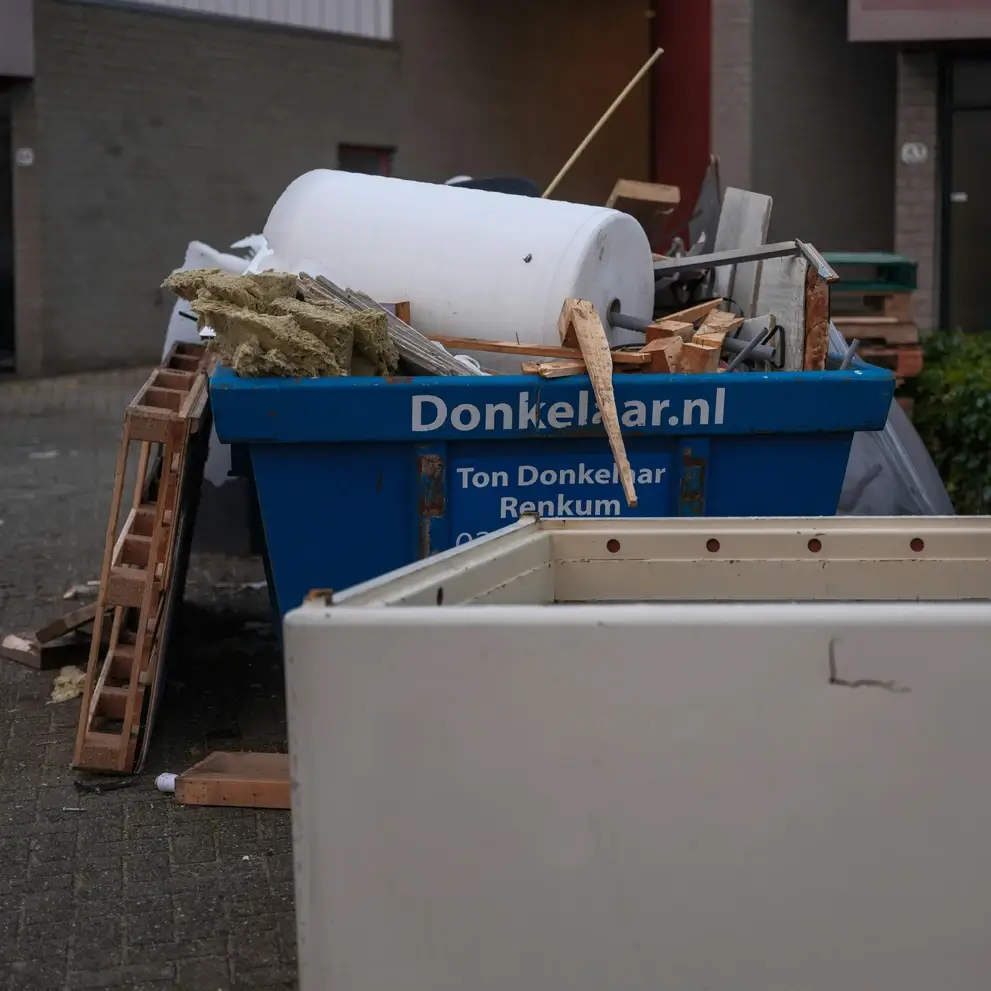
Skip hire in Acton is a practical way to manage household, trade and site waste when you want a straightforward collection point for mixed rubbish and bulky materials. We provide a skip hire service that supports clear, organised disposal for domestic projects, refurbishment work and routine clear-outs, with options suited to different volumes and waste types. If you are planning a clean-up and need a simple way to keep material in one place, our service is built around that need.
The main decision is usually the size and type of skip that best suits the job. Smaller projects may need a compact container for light waste, while more involved work can call for a larger option or a permit-aware placement plan. We also cover related waste collection needs through services such as builders waste removal and domestic skip hire, helping customers match the service to the work rather than over-ordering or leaving waste unmanaged.
If you are comparing options, our aim is to make the process clear: choose the right service, understand what can go inside, and prepare for delivery or collection without unnecessary complications. You can request a quotation once you know the type of waste, the access available and the scale of the job. For a quick next step, use the contact details on the site or send your project details for review.
Domestic Skip Hire for Home Projects

Domestic skip hire is often chosen for decluttering, room refurbishments, kitchen updates and general home improvements where waste builds up steadily rather than all at once. It gives you a fixed place to place rubbish, packaging, broken fixtures and other non-hazardous materials while the work is underway. For many homes, this is simpler than repeated car trips or trying to sort everything immediately at source.
We can also support related home-clearance work through house clearance and garage and loft clearance when the project involves more than straightforward bags and rubble. Those services may suit customers who are emptying a property, clearing stored items or tackling mixed contents that are awkward to move manually. The right choice depends on what is being removed and how quickly the space needs to be cleared.
For domestic jobs, it helps to think about access, parking and the kind of waste likely to come out of the property. Items such as soil, timber, old fittings and general renovation debris can often be managed in the same overall plan, but restricted materials need separate handling. A well-matched skip keeps the worksite tidier and reduces the need to pause the job while waste piles up.
Builders Skip Hire and Construction Waste

Builders skip hire is a core option for refurbishments, structural alterations, shopfitting and smaller construction phases where rubble and mixed site waste need to be removed efficiently. It is designed for regular loading by tradespeople and helps keep work areas safer and more manageable. For projects that generate repeated waste over several days, a positioned skip can reduce disruption and support steadier progress.
Where the load includes heavier or more concentrated building debris, it may be useful to compare skip hire with construction waste disposal or construction waste clearance. These services can be appropriate when waste needs a more targeted removal plan, especially if the site layout, material mix or clearance timing calls for a different approach. We also offer demolition waste removal for work that creates large volumes of broken material.
Typical builders’ waste can include plaster, bricks, concrete, timber, packaging and other debris from active works. The most useful outcome is usually a clean site that remains workable between visits, rather than a last-minute tidy-up at the end. Planning the disposal route early often makes the difference between a smooth job and a cluttered one, particularly when access is shared or the work is taking place in a busy street.
Commercial and Trade Waste Solutions

Commercial skip hire is suitable for businesses that need a dependable waste container for refurbishments, clear-outs, maintenance work or ongoing operational rubbish. Offices, retail units and small commercial premises may all generate waste that is awkward to store on site, and a skip can provide a central place for it until collection. The practical benefit is simple: waste stays contained and easier to move away when the job is done.
For office environments, a more focused option such as office clearance may be better when furniture, fixtures and mixed contents need to be removed together. Some businesses also choose same day skip hire where timing is tight and waste cannot be left in corridors, yards or loading areas for long. The most suitable solution depends on the amount of material, the access arrangements and how the work is scheduled.
When arranging commercial disposal, it is sensible to think about loading restrictions, occupier requirements and whether the job includes cardboard, shelving, light fixtures or heavier construction waste. A clear waste plan can help avoid interruptions to staff movement or customer access. For time-sensitive commercial jobs, a suitable skip can make the work area easier to manage from the first day to the final collection.
Skip Sizes, Permits and Practical Planning
Choosing the right skip is usually about matching capacity to the waste profile, not simply selecting the biggest option available. Smaller sizes may work well for household clear-outs and lighter renovation debris, while larger containers suit ongoing building work or broader property clearances. Our skip sizes and prices page is useful when you want to compare capacity and understand the type of project each option may suit.
Some placements also need additional thought because the skip may sit on a public road rather than private land. In those cases, a permit-related arrangement may be required, and our skip hire permits and skip permits information pages can help explain the process. If the waste is lighter and access is limited, a wait and load skip hire approach may be a more practical choice than leaving a container in place.
Before ordering, it is usually worth checking the rough volume of waste, whether the load contains bulky items, and how close the vehicle can get to the working area. Those basic details make it easier to recommend a sensible option and avoid delays. When in doubt, ask for guidance first, then request a quotation once the shape of the job is clear.
What Can Go in a Skip
The contents of a skip need to be planned carefully because not every item can be mixed together. General household waste, timber, packaging, broken fixtures and many renovation materials are commonly handled, but certain restricted or hazardous materials need separate arrangements. Our what can go in a skip page is a useful reference when you are sorting items before loading begins.
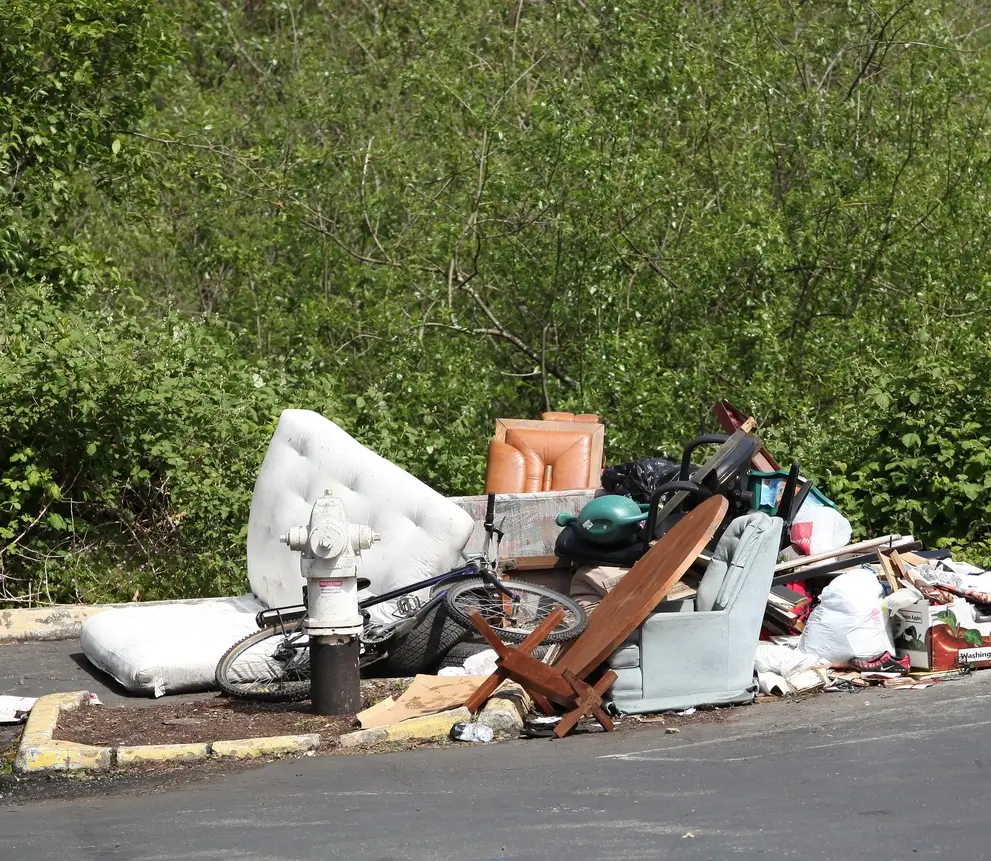
Some waste streams are better managed through dedicated services. For example, hazardous waste disposal is the right route for controlled or potentially dangerous materials, while appliance-related waste may be better suited to fridge and appliance removal. For bulky furniture, mattress and sofa disposal can be more appropriate than trying to squeeze unsuitable items into a general container.
Clear guidance on contents helps customers load safely and avoid rejected items at collection time. It is also useful for sorting out a project in stages, especially where some materials can be recycled and others need special handling. In many cases, the best approach is to separate the obvious problem items early, rather than discovering them after the skip has already been filled.
Recycling, Responsible Disposal and Site Clean-Up
Skip hire is only one part of the waste process; what happens after collection matters too. Our waste recycling services and recycling and sustainability information pages show how material can be directed toward recovery where possible. That is particularly relevant on building and clearance jobs where waste may contain a mix of reusable and recyclable components.
For some projects, a broader clearance service may be more suitable than a skip on its own. Site clearance can work well where a plot, yard or work area needs a more complete sweep-up, while muck away services are useful where loose spoil and heavier extracted material need removing. These options are often considered alongside skip hire when the job is larger or the waste is spread across a wider area.
Responsible disposal is easier when waste is organised as it arises. That may mean keeping recyclable material separate, avoiding contamination and loading the skip with some care rather than throwing everything in at random. Well-managed disposal helps the project stay orderly and can reduce the chance of needing extra collections. If the job is still taking shape, it is sensible to build in flexibility before the final removal date.
Clearances for Homes, Garages and Loose Waste
Not every customer needs a skip delivered and filled over several days. Some prefer a labour-led clearance for bulky, mixed or awkward items. That is where services such as rubbish removal and man and van can be useful, particularly when the waste is already bagged, stacked or ready to load quickly. These approaches can also suit locations where holding a skip on site would be inconvenient.
For domestic clearances, a focused service like garage and loft clearance or house clearance may be the better fit when contents need to be lifted from rooms, storage areas or outbuildings. The service choice often comes down to how the items are stored, whether they are mixed with other waste and how much help is needed to move them. Different jobs call for different handling methods.
If you are arranging clearance for a property, it is worth separating recyclable items, reusable goods and general waste before work starts. That makes it easier to match the disposal method to the load and keep the process straightforward. For mixed situations, the best plan may involve both a clearance visit and a skip for remaining debris.
About Acton
Acton is a district in west London within the London Borough of Ealing, with parts also associated with the wider history of Middlesex before the expansion of the capital’s administrative boundaries. Its name is thought to derive from Old English and reflects its long development from a rural settlement into an urban area. The district includes several distinct local centres, with Acton High Street forming one of the most recognisable traditional commercial stretches, while South Acton and East Acton are often discussed as separate neighbourhoods within the wider area. The locality is well served by transport, including Acton Main Line, Acton Central and South Acton stations, and it sits close to major routes that connect west London with neighbouring districts. A notable historical landmark is Gunnersbury Triangle, now a nature reserve on former railway land, which illustrates how industrial and transport history has shaped the modern landscape. The area also has a strong working history linked to industry, railways and warehousing, and that background is still visible in its varied architecture, from older terraces and civic buildings to later apartment schemes and redeveloped plots. Green spaces such as Acton Park and North Acton Playing Fields provide open ground within a densely built urban environment, while the district’s cultural life is influenced by nearby educational, religious and community institutions. The combination of transport connections, older residential streets and changing commercial areas gives Acton a layered character that can be read in its streetscape as much as in its history.
Request a Quotation for Skip Hire
If you are ready to move forward, the simplest next step is to outline the waste type, estimated amount and where the skip or collection needs to go. That information helps us suggest a suitable service rather than a one-size-fits-all option. For customers who are comparing several disposal methods, the service pages above can help narrow the choice before an enquiry is made.
We also recommend checking whether any item in the load needs separate handling, especially if the job includes appliances, furniture, rubble or materials from a commercial premises. A clear description of the project usually makes quotation preparation much easier. If you want to proceed now, use the site’s enquiry route and request a quotation for your Acton skip hire needs.
Contact us to discuss the job details and arrange the most suitable option for your waste. If you prefer to read more first, the pricing and permits pages can help you prepare before you ask for a quote.