Affordable rubbish removal for Acton High Street shops
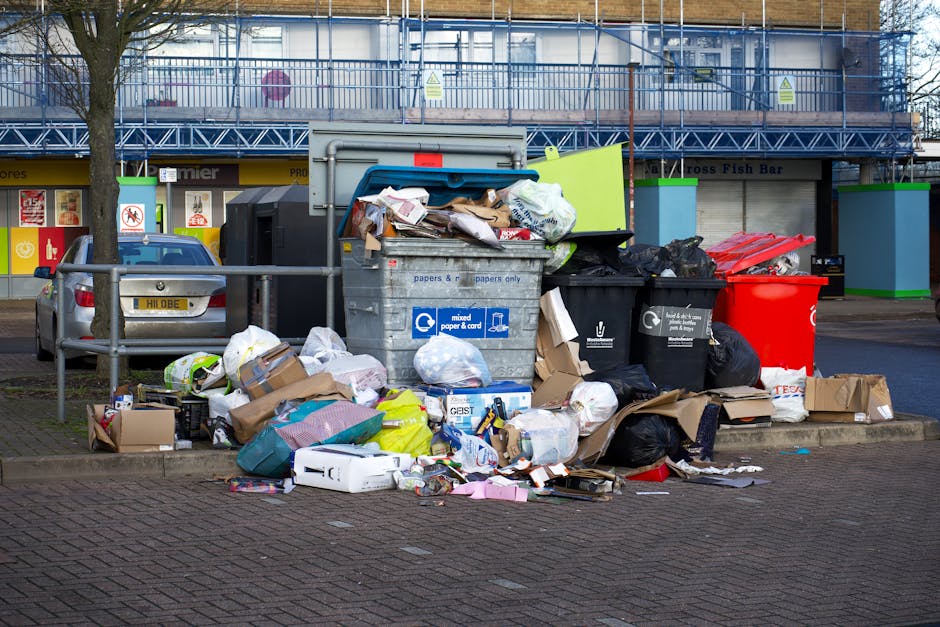
Running a shop on Acton High Street is busy enough without waste piling up behind the till, in the stockroom, or by the rear entrance. Cardboard stacks, broken display units, old packaging, and end-of-line stock can build up fast, and suddenly the back of the shop looks more like a storage problem than a business asset. That is where affordable rubbish removal for Acton High Street shops becomes genuinely useful: it keeps your premises tidy, supports good customer impressions, and helps you deal with waste in a way that feels manageable rather than disruptive.
In this guide, we will break down how shop rubbish removal works, what makes it cost-effective, what to watch out for, and how to choose the right approach for a busy high street location. We will also look at practical options like commercial skip hire, wait and load skip hire, and professional rubbish removal so you can judge what fits your shop, your schedule, and your budget.
Truth be told, most shop waste problems are not dramatic. They are just constant. A few boxes here, some display fittings there, and by Friday afternoon the whole thing starts to feel a bit mad. The good news? With the right setup, it does not need to be expensive or stressful.
Why Affordable rubbish removal for Acton High Street shops Matters
Shop waste is different from household waste. It tends to be more frequent, more bulky, and more time-sensitive. If you are operating on a busy high street, you are also dealing with foot traffic, delivery schedules, narrow access, and the simple fact that there is not much room to spare. One missed collection can spill into customer-facing space. One overfilled store room can slow staff down all week.
Affordable rubbish removal matters because it lets you keep control without paying for more service than you need. For many shops, the aim is not just cheap collection. It is predictable collection. That difference matters. If you know what gets picked up, when it will happen, and whether it fits your access, you can keep costs under control and avoid those annoying last-minute scrambles.
There is also the customer side of it. A tidy frontage, clean alleyway, and uncluttered entrance send the right message. Nobody wants to walk past black sacks leaning against a shutter or smell damp packaging on a warm afternoon. Small thing? Maybe. But on a high street, small things affect how a business feels.
Practical takeaway: the cheapest rubbish solution is not always the one with the lowest quote. It is the one that keeps your shop clear, avoids repeat callouts, and matches the actual waste you produce.
For many Acton businesses, commercial waste planning works best when it is linked with broader handling options such as skip hire, what can go in a skip, and skip sizes and prices. That way, you are not guessing every time the bins fill up.
How Affordable rubbish removal for Acton High Street shops Works
In simple terms, shop rubbish removal is a managed collection service for commercial waste that is too bulky, too much, or too awkward for normal bins. You book a collection, describe the waste, agree the access and timing, and the waste is removed by a suitable vehicle or container. Depending on the setup, that could mean a van team, a grab vehicle, a skip, or a wait-and-load visit.
The best option depends on the type of waste and how quickly you need it gone. If your shop has a back entrance or loading access, a skip might be practical. If the road space is tight or parking is limited, wait and load skip hire can be easier because the waste is loaded and taken away without leaving a skip outside for hours or days. That is often a real advantage on a busy high street. Less street clutter, less hassle.
Some shops prefer a team-based removal service for mixed rubbish. That can work well for shop refits, seasonal clear-outs, packaging waste, or bulky items like shelving and counters. If you need something quicker, there is also same-day skip hire for situations where the waste simply cannot wait until next week. We all know that feeling when the stockroom starts to win the argument.
The process is usually straightforward:
- Identify the waste type and amount.
- Choose the most practical collection method.
- Check access, parking, and timing.
- Arrange collection with a provider that handles commercial waste properly.
- Make sure the waste is sorted, loaded, and removed with minimal disruption.
For shops that produce recurring waste, a structured service is usually better than a one-off reaction every time the back room gets cramped.
Key Benefits and Practical Advantages
The biggest benefit is obvious: more space. But the real value runs deeper than that. A well-planned rubbish removal setup can help your shop operate more smoothly, reduce staff friction, and improve safety in a way that you notice almost immediately.
1. Lower operating friction
When waste has a place to go, staff waste less time stepping around it, moving it twice, or wondering where to put the next delivery box. That sounds small, but in a retail environment, small inefficiencies add up.
2. Better use of storage space
Many shops use stockrooms as a catch-all. Before long, useful space is eaten by flattened packaging, damaged fittings, or old promotional material. Affordable rubbish removal gives that space back. And honestly, that can feel like a mini reset.
3. Cleaner presentation
Customers often see the front of the shop, but they still pick up the atmosphere. If waste is neatly managed, the whole business feels more organised. Even the smell of a clean entrance area changes how people experience the place.
4. Safer working conditions
Loose packaging, broken boxes, and piled stock can create trip hazards or block access routes. A tidy waste routine supports basic workplace safety and makes deliveries easier to handle.
5. Better cost control
When waste is removed in a suitable size and at the right frequency, you avoid paying for unnecessary empty space or emergency collections. You also reduce the chance of hidden costs caused by delays or poor access planning.
6. More flexible support for busy periods
Retail is not steady all year. Refurbishments, seasonal promotions, and post-sale clearances can create spikes in waste. A flexible waste solution is simply easier to live with. No drama. Just movement.
If you are trying to balance security with convenience, an enclosed and lockable skip can be a smart option for certain shop premises, especially where you want to reduce public access to discarded stock or packaging.
Who This Is For and When It Makes Sense
This kind of service suits a wide mix of Acton High Street businesses. It is not just for big refurbishments or major clean-outs. In fact, many of the best uses are smaller and more regular.
- Clothes shops with cardboard, hangers, rails, and packaging
- Cafes and takeaway businesses with mixed back-of-house waste
- Convenience stores managing delivery packaging and damaged stock
- Beauty and health retailers clearing display units and product waste
- Gift shops and independent retailers with regular stock rotation
- Shops undergoing a fit-out, refit, or end-of-lease clearance
It also makes sense when waste starts interfering with trading. If staff keep moving the same boxes around, if the delivery route is becoming awkward, or if the shop looks cluttered before opening, it is time to do something about it. Waiting usually makes the job more expensive and more annoying. A classic combo.
Some businesses only need one-off help after a seasonal rush or delivery error. Others need scheduled commercial waste support through services like commercial skip hire or grab hire services because their waste volumes stay high week after week.
Step-by-Step Guidance
If you want to keep costs sensible, the key is planning before collection day. Here is a simple way to approach it.
Step 1: Separate waste streams early
Do not wait until everything is mixed together. Separate cardboard, general rubbish, bulky items, shelving, electrical items, and anything potentially hazardous. The cleaner the sort, the easier the quote and the smoother the collection.
Step 2: Estimate volume honestly
Businesses often underestimate how much waste they have because it gets compressed, tucked away, or stacked awkwardly. A few crushed boxes can still take up more room than expected. A sensible estimate helps avoid under-ordering, which is where cheap becomes expensive.
Step 3: Check access and timing
On Acton High Street, access can be the real issue. Think about parking, loading space, lift access, rear entry, shutters, and opening hours. If a vehicle cannot get close enough, you may need a different method such as man and van collection or wait and load skip hire.
Step 4: Ask what is included
Does the service include loading? Is there a weight limit? What about recycling? Are there extra charges for specific waste types? These details matter more than the headline price.
Step 5: Prepare the waste before collection
Flatten cardboard. Separate reusable items. Keep walkways clear. If you have confidential paperwork mixed in, use confidential shredding rather than letting it sit in a general waste pile. It is one of those jobs that people mean to do, and then it sits there for a week staring back at you.
Step 6: Confirm disposal route and records
For business waste, it is sensible to keep records of collection arrangements and any notes on what was taken. It helps with internal housekeeping and gives you a clear paper trail if needed later.
Expert Tips for Better Results
Over time, the shops that manage waste best are not the ones with the biggest budgets. They are the ones with the neatest habits.
- Use a consistent collection day if your waste pattern is regular. Predictability reduces pile-ups.
- Keep bulky waste separate from loose rubbish. It makes the collection quicker and usually easier to price.
- Store waste near the point of exit where possible. Every unnecessary lift costs time.
- Ask about recycling-led handling so more of what you discard is processed responsibly through waste recycling services.
- Use the right size service instead of assuming bigger is safer. Overspecifying can waste money.
- Plan for busy trading times like weekends, seasonal offers, or after stock deliveries.
One thing we see often: a shop books a collection after the waste has already become awkward. It is always better to arrange removal while access is still easy. You save the team time, and the job feels calmer. Less elbowing around stacked boxes. Less of that tired Friday feeling.
If you are unsure what should be removed in a single load, reviewing what can go in a skip can help you plan the sort of waste that can move together and the items that need separate handling.
Common Mistakes to Avoid
The most expensive rubbish removal jobs are often the ones that looked simple at the start. That is usually because something was left out of the plan.
- Mixing prohibited or awkward waste into general rubbish and hoping it will be accepted anyway.
- Choosing a provider only on headline price without checking access or load restrictions.
- Leaving waste until it blocks staff movement, which increases time pressure and can lead to rushed loading.
- Assuming all waste is recyclable in the same way, which is not quite how it works.
- Forgetting about permissions if a skip or loading setup will occupy part of the public highway.
- Not separating confidential material, which is a real headache if records or customer data are involved.
One subtle mistake is over-ordering the wrong service. For example, a shop might book a full-size container when a shorter loading visit would have been cheaper and easier. Another common one? Underestimating how long staff need to prepare the waste. A collection can only be smooth if the shop has done a bit of prep first.
Tools, Resources and Recommendations
You do not need a complicated system to manage shop waste well. A few simple tools are enough to make a proper difference.
- Cardboard cutters or box knives for flattening packaging safely.
- Clear labels or coloured bins for separating general waste, recycling, and special items.
- Trolleys or dollies for moving bulky packaging without damage or strain.
- Basic stockroom signage so staff know where waste should go.
- Simple collection logs to track what went out, when, and by which service.
For shop owners who want to compare service styles, pricing and quotes can help frame the decision, while skip sizes and prices is useful if you are weighing container-based removal against a hands-on collection.
You may also find payment and security helpful if your business team needs to understand how online booking and payment are handled. And if your priority is responsible disposal, recycling and sustainability is worth reviewing before you commit.
Law, Compliance, Standards, and Best Practice
For shop waste, the most important thing is to use a lawful and responsible disposal route. In the UK, business waste must be handled carefully, and shop owners should be confident that their waste is collected and managed properly. You do not need to become a compliance expert overnight, but you do need to avoid casual shortcuts.
That means being sensible about segregation, avoiding hazardous waste in general loads, and making sure the collection method fits the waste type. If you have items that could be classed as hazardous, they should be separated and handled through the appropriate route rather than added to a mixed load. That is especially true for electricals, chemicals, cleaning products, aerosols, fluorescent tubes, and similar items.
It also makes sense to think about access and safety. If waste is collected from a live retail site, the work should be arranged so staff and customers are not put at unnecessary risk. Clear walkways, sensible timing, and controlled loading all matter. The best collections are the quiet ones, really.
For businesses with security concerns, especially those discarding stock records or private paperwork, using a separate confidential route is a better option than mixing documents into ordinary rubbish. If your premises experience theft risk or public access concerns, a secure arrangement like an enclosed container may be worth considering through enclosed and lockable skip hire.
Best practice is simple: know what you are disposing of, keep it separated where needed, and choose a provider that handles commercial waste with care. Nothing flashy. Just solid housekeeping.
Options, Methods, or Comparison Table
Different waste removal methods suit different shop setups. Here is a practical comparison to help narrow the field.
| Method | Best for | Strengths | Watch outs |
|---|---|---|---|
| Rubbish removal team | Mixed shop waste, bulky items, quick clear-outs | Fast, hands-on, little disruption | May cost more if waste is very large in volume |
| Skip hire | Regular or larger waste volumes | Good for ongoing use, flexible sizes | Needs space and sometimes a permit |
| Wait and load | Busy high street sites with limited parking | No skip left on site, quick turnaround | Requires waste to be ready to load |
| Grab hire | Heavy or awkward loads | Useful for faster removal of bulk waste | Needs suitable vehicle access |
| Man and van | Smaller, urgent loads | Flexible and responsive | Not ideal for very large waste volumes |
If you are trading from a tight frontage or shared service yard, a grab lorry hire option may suit heavier loads better than a standard collection. And if you want a simple option for smaller waste bursts, a man and van service can be the most practical fit.
Case Study or Real-World Example
Imagine a small independent clothing shop on Acton High Street preparing for a seasonal refresh. The team has cardboard from deliveries, broken mannequins, bent display hooks, damaged packaging, and a few old fixtures from the fitting room area. None of it is dramatic. Together, though, it starts taking over the stockroom.
At first, the owner considers just piling it outside for the next bin day. But that would mean clutter near the entrance and extra work for staff. Instead, they book a planned collection after closing time. The waste is sorted beforehand: cardboard flattened, fittings separated, and any sensitive paperwork removed for shredding. The collection is done quickly, the stockroom clears out, and the team starts the next week with room to move.
That sort of job is where affordable rubbish removal really earns its keep. Not because it is glamorous. It is not. But because it quietly removes the problem before the problem starts affecting trading.
In a similar situation, a cafe with limited rear access might choose wait and load skip hire rather than leaving a container outside overnight. Different site, different access, same aim: keep it cheap enough, safe enough, and easy enough to live with.
Practical Checklist
Before you book, use this quick checklist to keep the process tidy.
- Have you separated cardboard, general waste, and specialist items?
- Do you know roughly how much waste you need removed?
- Is access clear for the collection vehicle or loading team?
- Have you checked whether a permit may be needed?
- Are any confidential documents removed from the load?
- Have you confirmed what is excluded from the service?
- Do you need a one-off collection or recurring support?
- Would a skip, grab load, or man and van service suit the site better?
- Have staff been told where to place the waste before collection?
- Do you want recycling-led handling rather than simple disposal?
If you can answer most of those with confidence, you are already ahead of the curve. Seriously, that alone saves a lot of back-and-forth.
Conclusion
Affordable rubbish removal for Acton High Street shops is really about control. Control over space, timing, presentation, cost, and compliance. When waste is managed well, the shop feels calmer, staff work more efficiently, and the business is free to focus on customers instead of clutter.
The best approach is usually the one that fits your access, your waste volume, and your day-to-day rhythm. For some shops, that will be a simple one-off collection. For others, it will mean a more structured solution using skip hire, grab hire, or a secure loading method. Either way, the goal is the same: keep the waste moving so the business can keep moving.
Get a free quote today and see how much you can save.
And if you are still weighing up the right service, take a breath, check your waste pattern, and choose the option that makes tomorrow easier. That is usually the right one.
Frequently Asked Questions
What is the cheapest rubbish removal option for a small shop?
The cheapest option depends on your waste type, access, and volume. For some small shops, a short wait-and-load visit is best; for others, a small skip or a man and van collection works out more cost-effective.
Can Acton High Street shops use skip hire for waste removal?
Yes, many shops can use skip hire if there is enough space and the access works. If the skip needs to sit on the public highway, a permit may be required, so it is worth checking the plan first.
Is wait and load better for busy high street locations?
Often, yes. Wait and load is useful where parking is tight or you do not want a skip left outside. It can be a neat solution for high street premises with limited frontage space.
What type of waste do shops usually need removed?
Common shop waste includes cardboard, packaging, display materials, shelving, damaged stock, old fixtures, and general rubbish from clear-outs or refits. Some shops also need confidential shredding or appliance removal.
Do I need a permit for rubbish removal at my shop?
Not always. It depends on the service method and where the waste container or vehicle will be placed. If anything sits on the public road, a permit may be needed, so it is best to confirm before booking.
How can I keep rubbish removal costs down?
Sort waste before collection, flatten cardboard, choose the right-sized service, and avoid mixing prohibited items into general waste. Planning the access and timing properly also helps reduce cost.
What should I do with confidential paperwork from the shop?
Keep it separate from general waste and use a proper confidential shredding service. It is safer, tidier, and much better than letting sensitive papers end up in a mixed load.
Can bulky retail fixtures be removed with rubbish collection?
Yes, in many cases bulky items such as shelving, counters, and display units can be removed. It depends on the item type, volume, and how easy it is to access the site.
How quickly can rubbish be removed from a shop?
Timing depends on availability and the type of service you choose. Some urgent jobs can be handled the same day, while others are best planned in advance for smoother access and better pricing.
Is commercial rubbish removal different from domestic clearance?
Yes. Commercial waste is usually more regular, more varied, and more sensitive to business timing. Shop waste often needs better planning around trading hours, deliveries, and public access.
What happens to the waste after collection?
That depends on the service and the waste type. Recyclable materials may be sent for recycling, while non-recyclable waste is handled through the appropriate disposal route. Responsible handling should always be part of the service.
When should a shop choose grab hire instead of a skip?
Grab hire can make sense for heavier or awkward waste, especially if there is suitable vehicle access. It is worth considering when the load is bulky and you want quicker removal without leaving a container in place.
Can I book a one-off collection after a refit or stockroom clear-out?
Yes. One-off collections are common after seasonal changes, refurbishments, or end-of-lease clearances. They are a sensible choice when the waste spike is temporary rather than ongoing.
Where can I learn more before booking?
You can review pricing and quotes, check recycling and sustainability, and browse service options such as rubbish removal or commercial skip hire to see what fits your shop best.